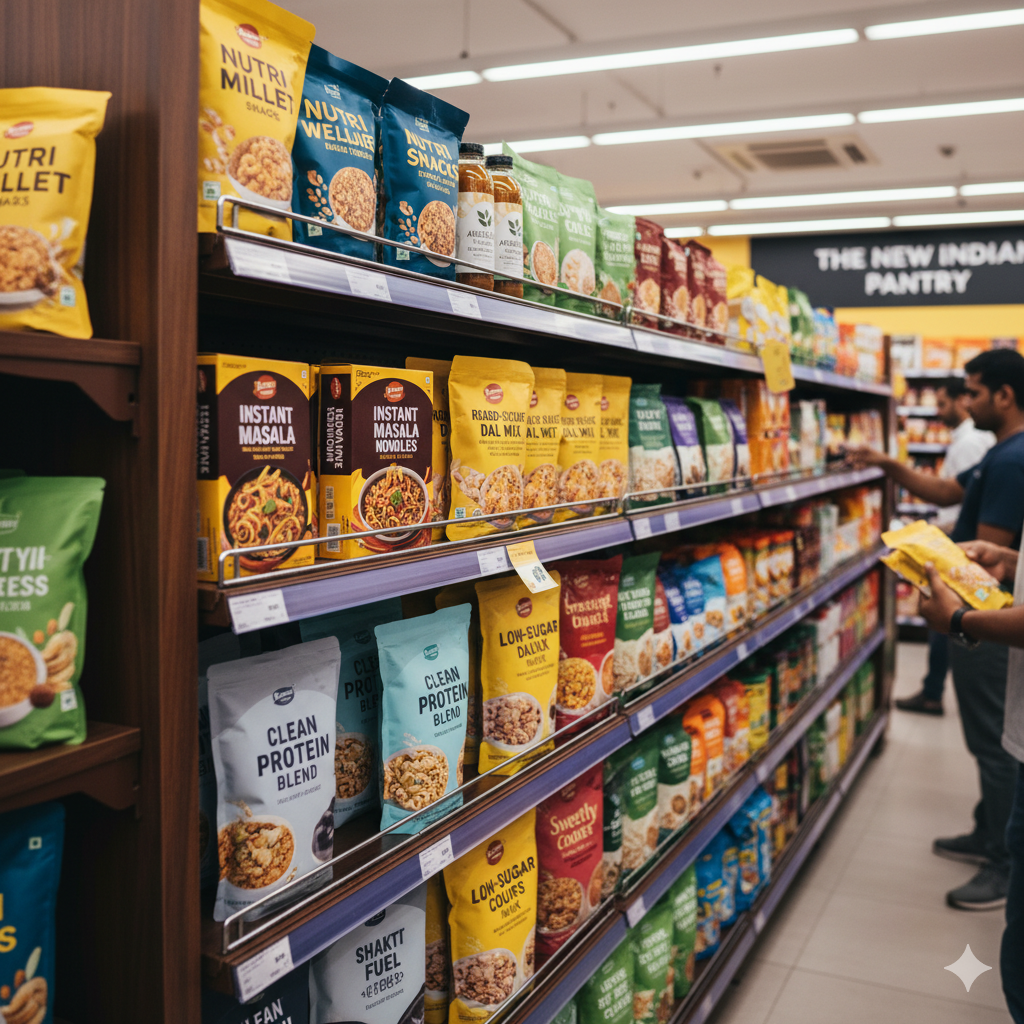
Starting a food brand today is exciting. However, it can also feel overwhelming because product development, sourcing, production setup, compliance, and packaging all require time and investment.
Private label food manufacturing helps solve these challenges. As a result, new brands can focus more on building their identity, marketing, and customer connections instead of managing factory operations.

Faster Product Development and Market Launch
First, private label manufacturing already has tested production systems in place. Because of this, new brands do not need to build recipes or production processes from scratch.
Moreover, experienced production teams already understand food processing workflows. Therefore, the time taken to move from idea to market becomes much shorter. In many cases, brands can launch products in months instead of years
Lower Initial Investment for New Food Brands
Traditionally, setting up a food factory requires heavy capital investment. On the other hand, private label manufacturing allows brands to start with smaller production batches.
This means:
- No need to buy expensive machinery
- No need to hire large production teams
- No need to manage factory maintenance
As a result, new founders can test the market without taking high financial risks.
Easier Compliance and Documentation Process
Food businesses must follow strict safety and regulatory standards. However, new brands often struggle with documentation, certifications, and audits.
Private label manufacturers usually already follow required food safety systems. Therefore, brands can launch faster while still meeting compliance requirements. In addition, documentation processes become smoother and more structured.
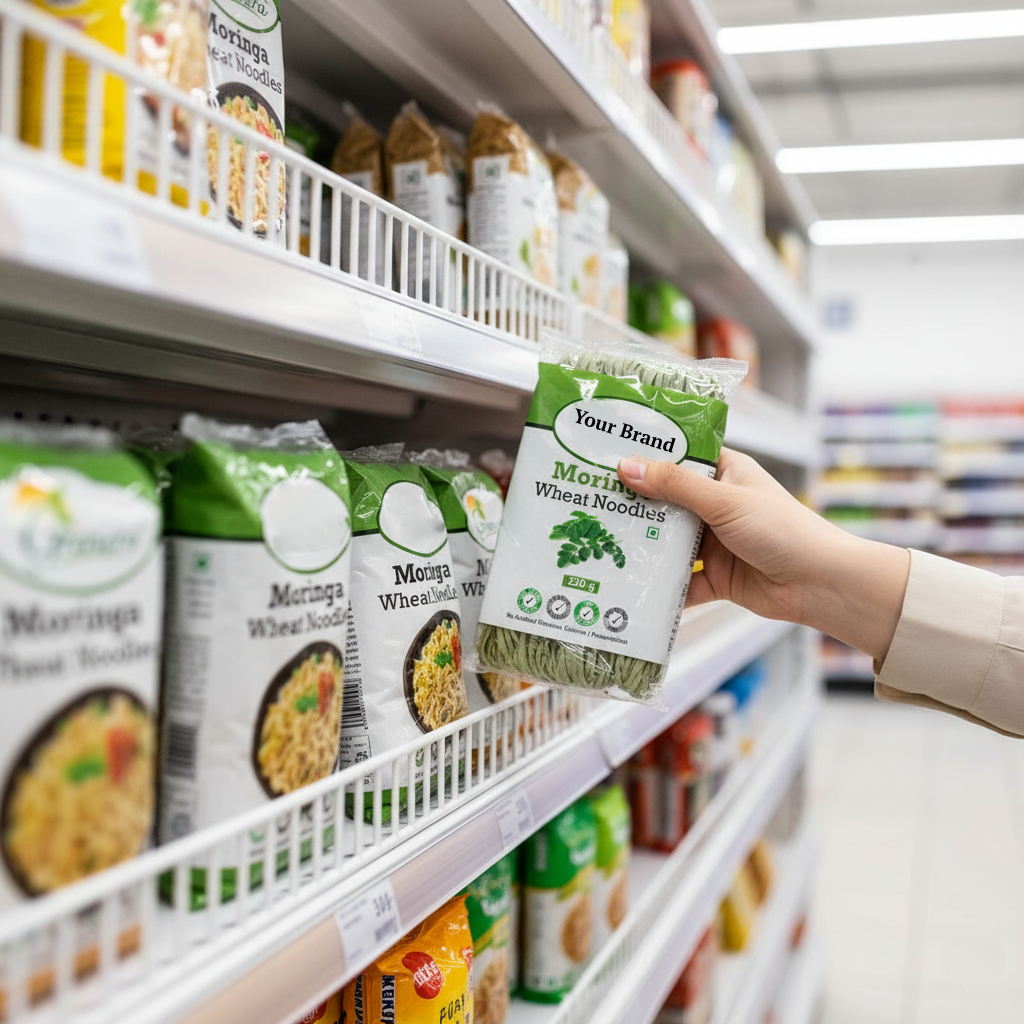
Scalable Production as Demand Increases
At the beginning, demand may be uncertain. However, as brand visibility increases, order volumes usually grow.
Private label manufacturing supports this growth because production can scale gradually. For example, brands can start with small batches and later move to larger volumes. Consequently, brands avoid overproduction and reduce wastage.
Better Focus on Branding and Sales Strategy
Running a factory requires daily operational attention. On the contrary, private label manufacturing frees up time for founders.
Because manufacturing is handled externally, brands can focus on:
- Packaging design
- Market positioning
- Distribution partnerships
- Online and offline sales
As a result, brands build stronger customer connections while production runs smoothly in the background.
Faster Market Testing and Product Innovation
Consumer preferences change quickly. Therefore, brands must test new flavours, formats, and packaging styles regularly.
Private label manufacturing allows quick product trials. If a product performs well, production can increase. If not, brands can pivot faster. Consequently, innovation cycles become shorter and more efficient.
Conclusion
Today’s food market rewards speed, consistency, and adaptability. Because of this, private label manufacturing has become a practical entry route for emerging brands.
New food brands can start smaller, learn faster, and grow smarter while bringing products to market without long delays.
Food Regulation & Compliance (India)
-
FSSAI – Food Safety and Standards Authority of India
👉 FSSAI Official Website - Your Food Factory https://yourfoodfactory.in/