The Dilemma Every Food Entrepreneur Faces
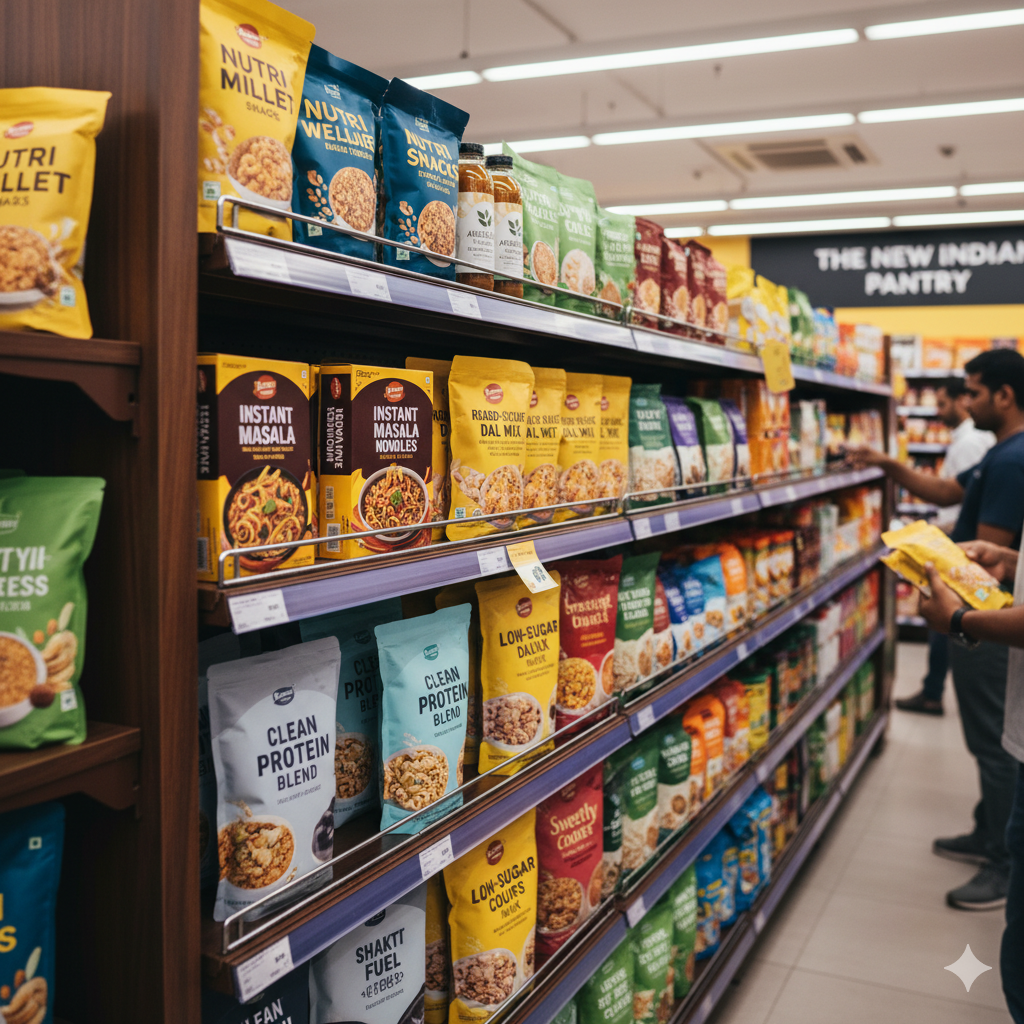
You’ve got a brilliant recipe idea. private label vs own manufacturing in India. You can already picture your brand on the shelves, maybe a millet cookie, an organic tea blend, or a superfood powder.But then comes the big question:
Should you start your own manufacturing unit or go the private label route?
Both sound exciting, but they’re very different paths, especially when you’re just starting.
Let’s break it down honestly.
Option 1: Owning Your Manufacturing
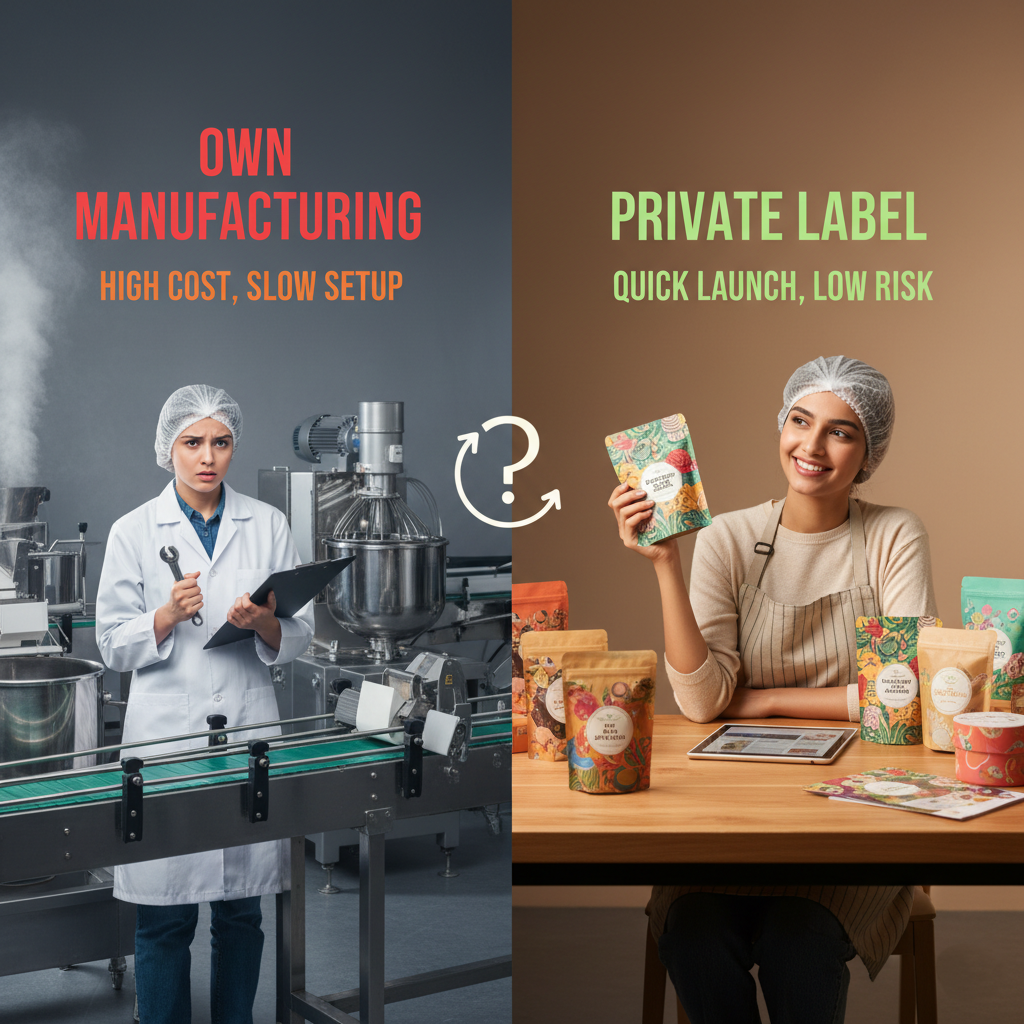
Owning a facility means complete control from ingredient sourcing to packaging. You can experiment, tweak recipes, and scale your production as you wish.
But… it also means:
- High setup cost (equipment, licensing, labour)
- Time-consuming setup (often 6–12 months to be operational)
- Need for food safety certifications and constant audits
- Managing raw material procurement, wastage, and shelf-life issues
For large brands with steady demand, this model makes sense.
But for small and mid-size entrepreneurs, it can drain resources before the first product even launches.
Option 2: Private Labelling – The Smart Launchpad
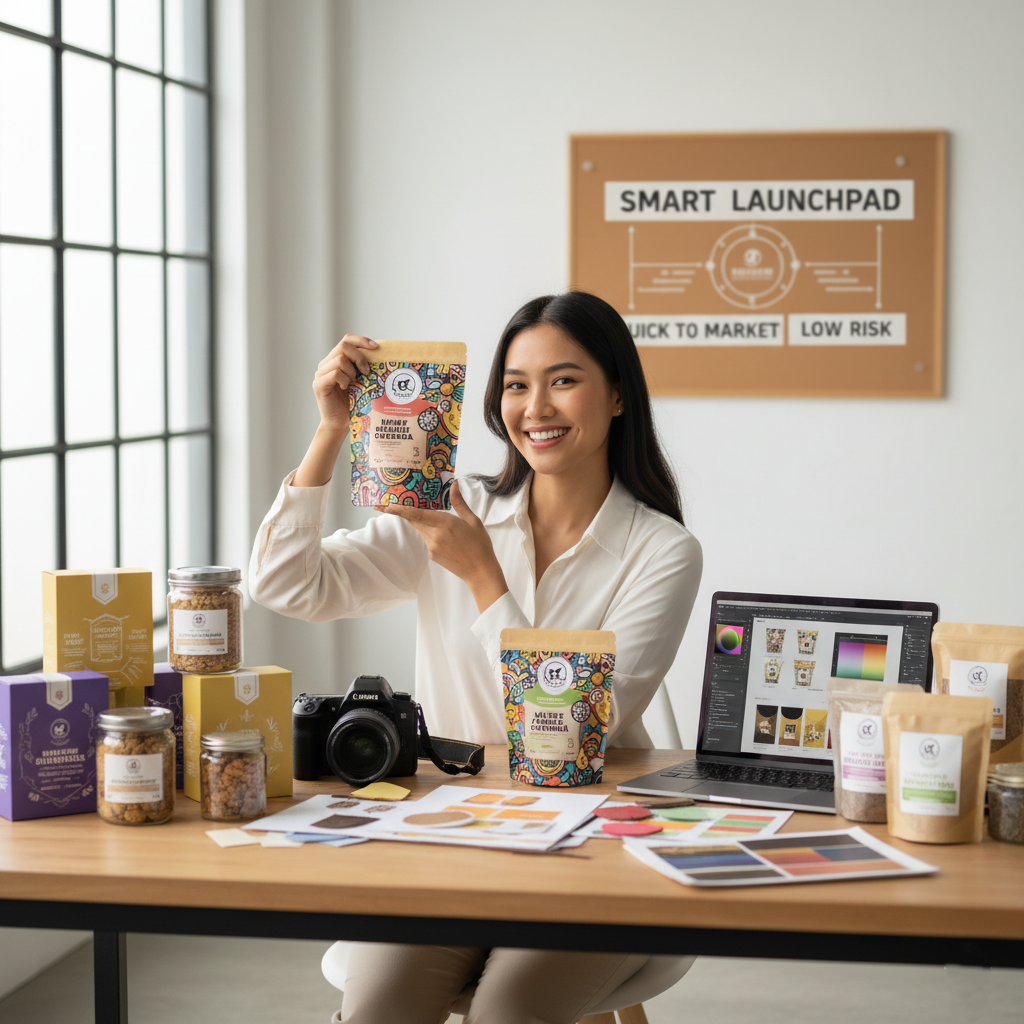
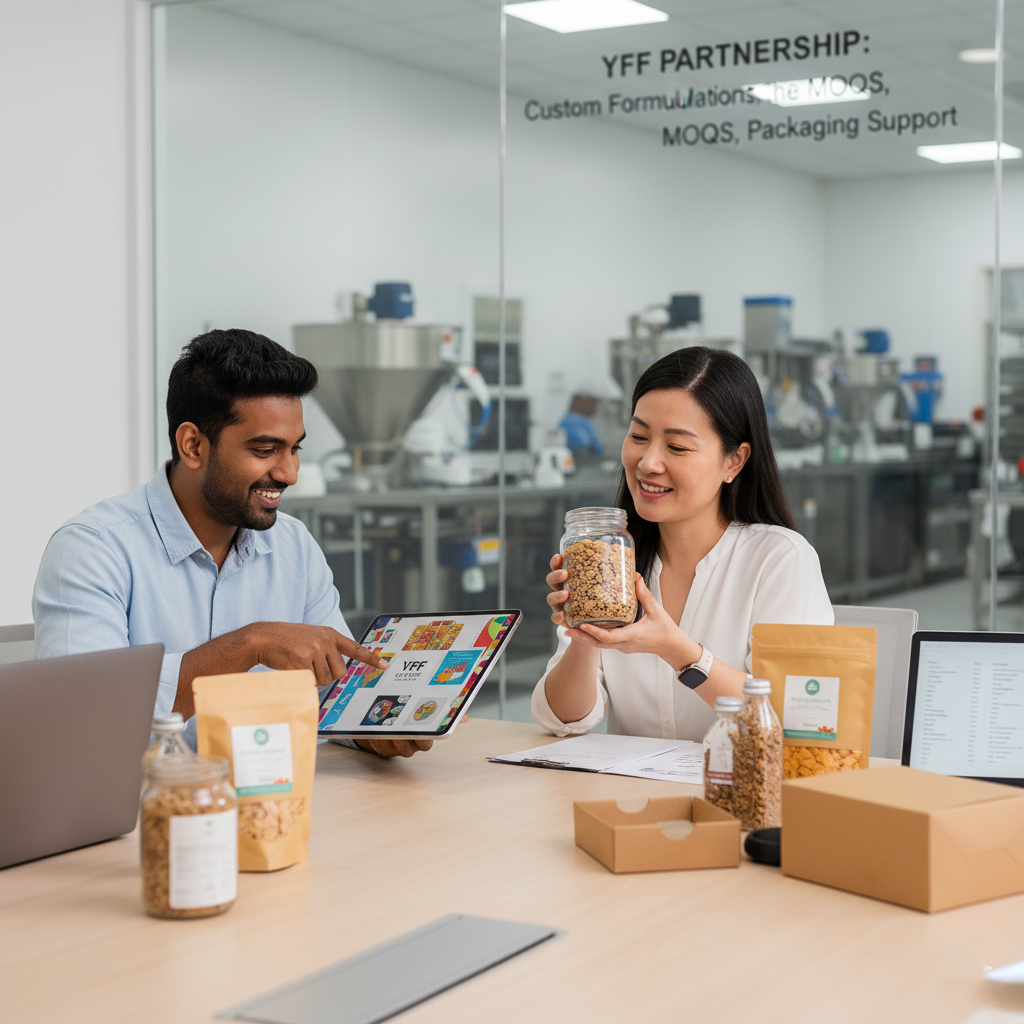
Private labelling means you partner with a manufacturer like YFF, who already has the facilities, licenses, and expertise.
You just focus on your brand identity, packaging, and marketing.
Why it’s smart:
- Zero investment in machinery or manpower
- Quick market entry (you can launch in weeks, not months)
- Lower financial risk, you pay only for the products you order
- Test multiple products before committing long-term
- Easily scale as your brand grows
Why Food Startups Choose YFF

At YFF, we don’t just produce, we partner.
We help entrepreneurs bring their brand ideas to life with:
- Custom formulations (organic, vegan, gluten-free, etc.)
- Certified manufacturing setup
- Flexible minimum order quantities (MOQs)
- Packaging and labelling support
- Transparency from ingredient sourcing to final delivery
That means less stress and more time for what you do best: marketing, storytelling, and growing your business
Real Talk: What’s Smarter?
| Criteria | Private Label | Own Manufacturing |
| Setup Time | 2–4 weeks | 6–12 months |
| Investment | Low | High |
| Risk | Minimal | High |
| Control | Moderate | Full |
| Flexibility | High | Limited |
| Best For | New/start-up brands | Established brands |
So, if you’re in the early stages, Private Label is the clear winner.
It helps you validate your idea, test markets, and grow sustainably without burning your funds.
FAQs
1. Will my product look generic if I use private label?
Not at all! You can fully customise the label, packaging, and even the product formulation to match your brand identity.
2. Can I scale later if my brand grows?
Absolutely. Many successful brands start with private labelling and then set up their own units once they hit consistent sales.
3. How much minimum quantity do I need to start?
At YFF, we offer flexible MOQs that are ideal for start-ups looking to test and expand gradually
Final Thought
Starting a food brand isn’t about owning machines; it’s about owning your story.
Private labelling lets you focus on your brand, customers, and vision while experts handle production.
If you’re dreaming of launching your own healthy, sustainable, or innovative food line
Private labelling with YFF is your fastest, safest, and smartest start.
FSSAI Licensing Guide (Govt. site):
🔗 https://www.fssai.gov.in/
→ Helps readers understand legal requirements for food manufacturing in India.